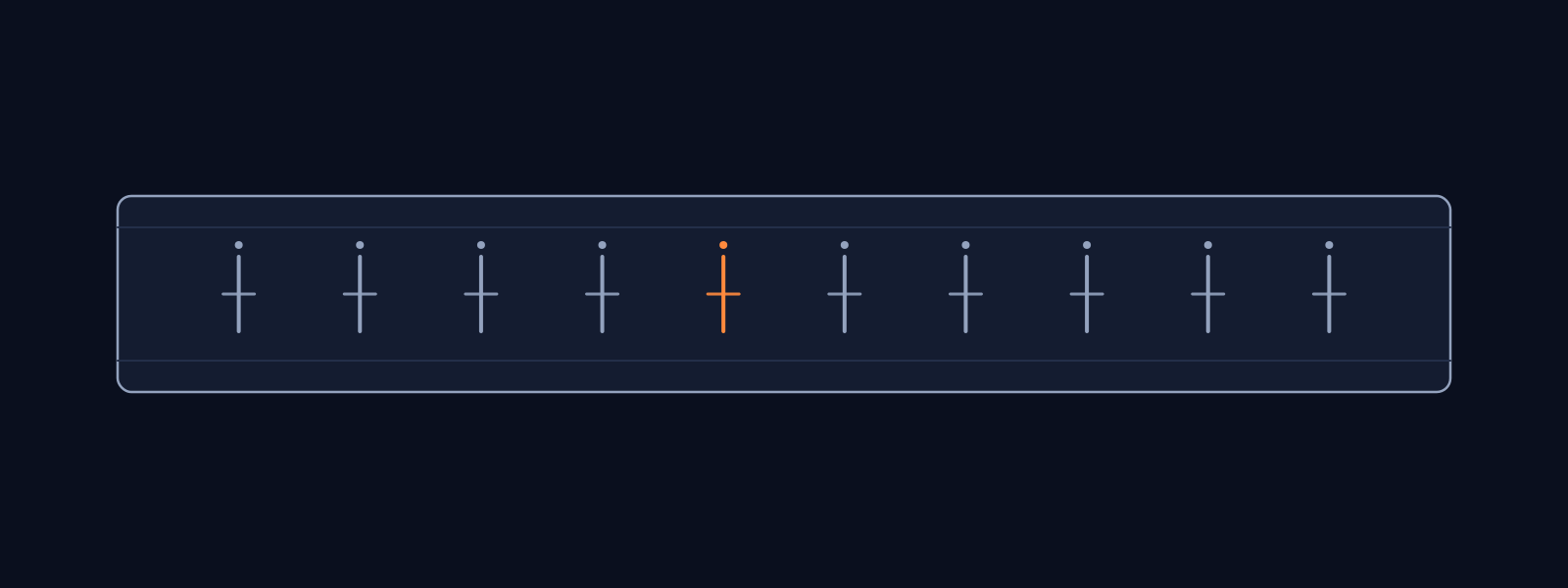
A date you can't move
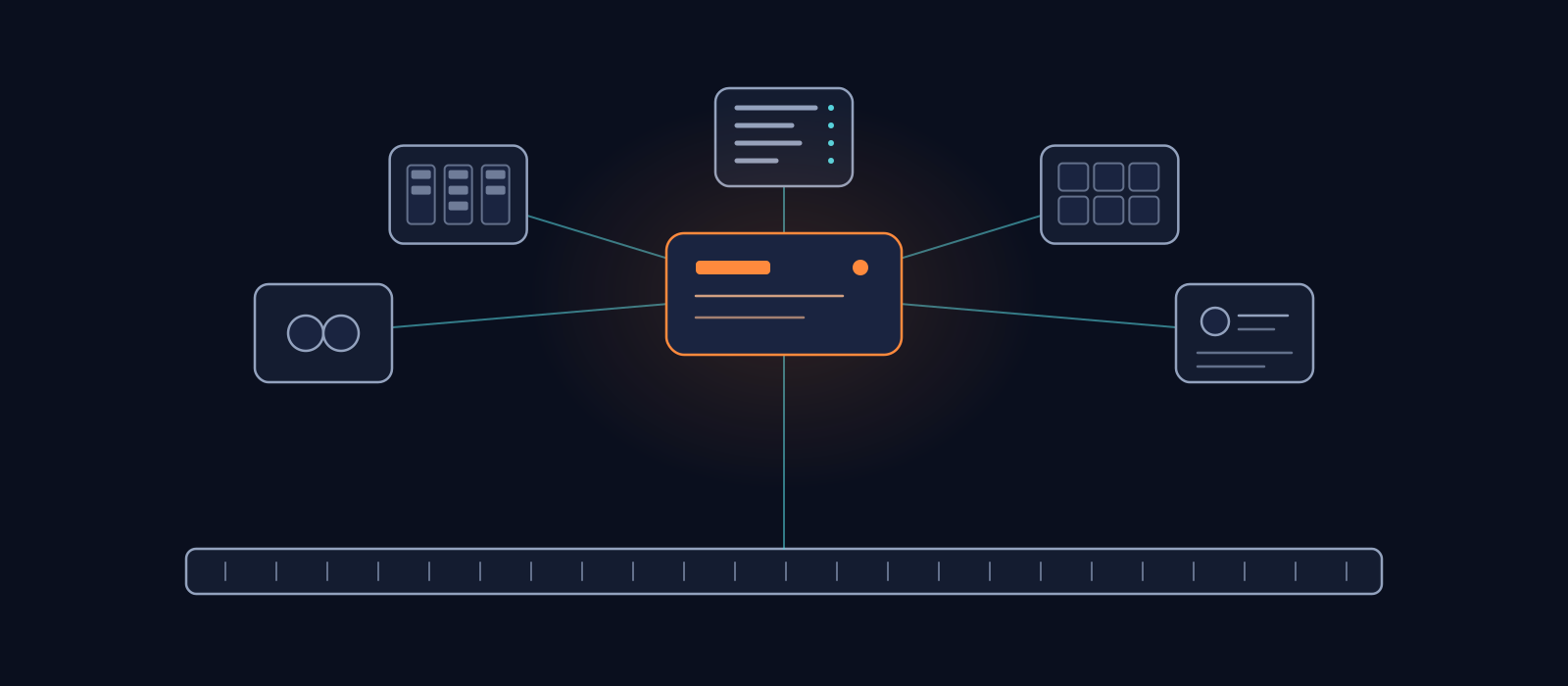
A poster you can believe, published in under five minutes, with a schedule that is true. Registration that works from a phone at the door. The occasion is real the moment other people can see it.
event → timeline → registration
ClusterHack is not software for running hackathons.
An appointed occasion. A room of people who saw you build it. And a record that is still there on Monday. Everything we ship has to strengthen one of those three, for one small room that meets again.
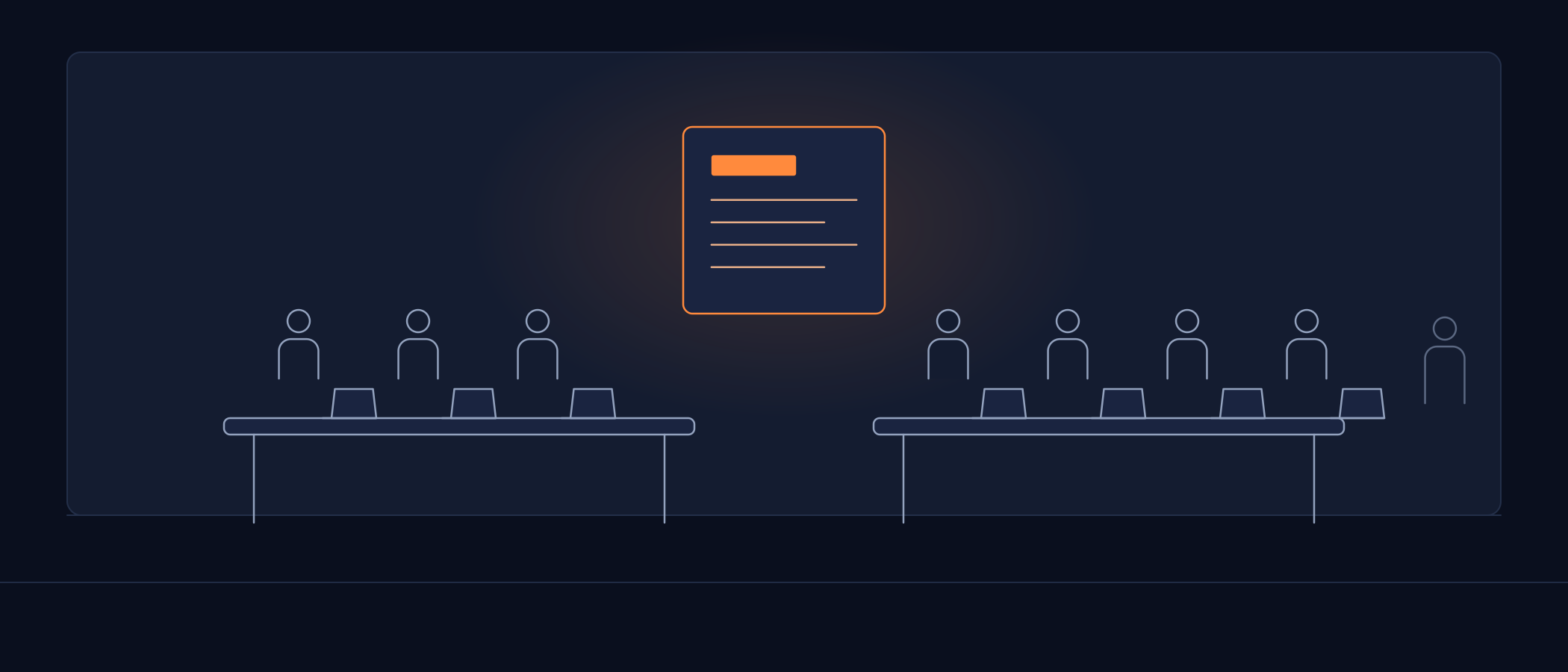
The thing that kills a side project is not a missing tool. It is “someday”.
Almost nobody needs better software to build a weekend project. They need a reason it has to be finished by Sunday, people who will be in the room when it is, and something to point at afterwards. That is a hackathon — and organizing one is enough work that most of the people who want to hold one never do.
So the platforms that exist optimize the wrong end. They are built for the thousand-person sponsored event, sold to the company running it. The long tail — a university club, an AI build-day, twelve people in an office on a Friday — gets a spreadsheet, a chat, and an organizer who spends the evening answering questions instead of being at it.
We are building for the small room that meets again, because repetition is worth more than scale. A series of eight-person evenings that keeps running beats one four-hundred-person event that happened once.

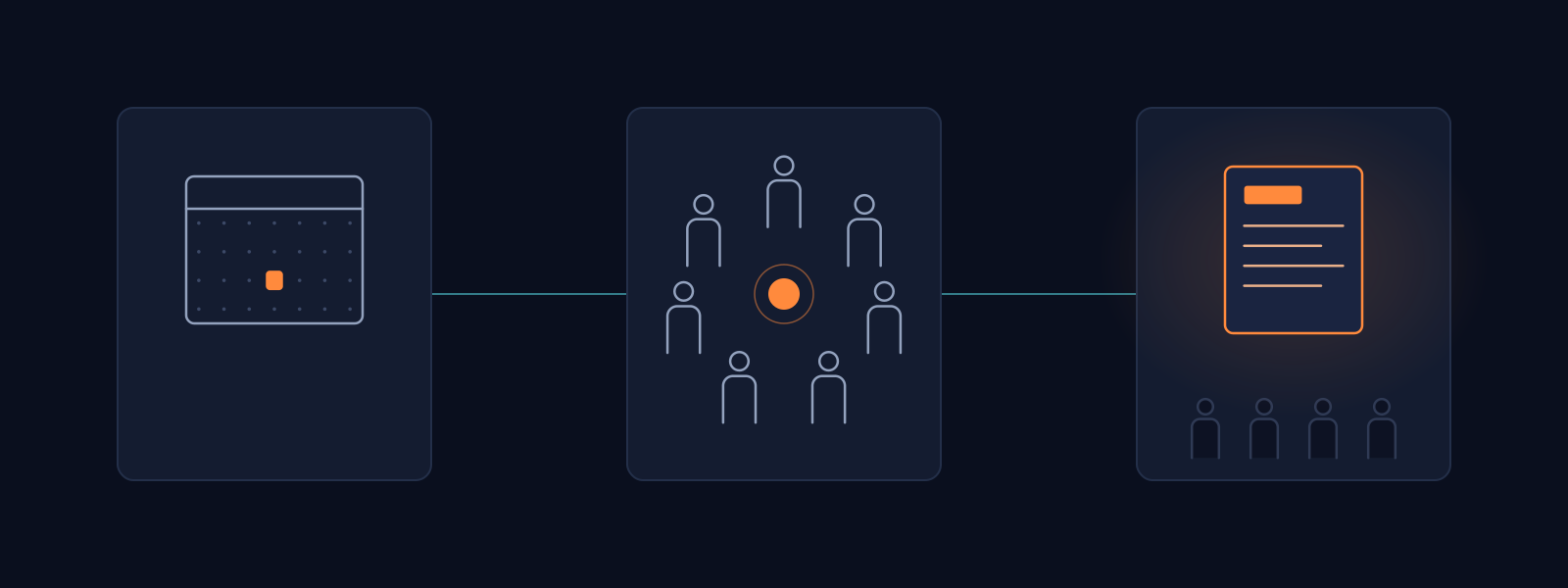
A poster you can believe, published in under five minutes, with a schedule that is true. Registration that works from a phone at the door. The occasion is real the moment other people can see it.
event → timeline → registration
Teams that formed instead of drifting. A board so the work has a shape. A ceremony at the end where every project is seen, and every submission gets a written sentence from a person with a name on it.
teams → boards → judging
Every project keeps a permanent page. Every builder keeps a shelf of what they shipped and with whom. Nothing important lives only in a chat that someone will archive.
submission → showcase → builder page
Nothing below is a mock-up. These are the pages a room uses on the night, taken from a sandbox evening we made up so that no real person is on them.


Their competitor is not another platform. It is the version of Sunday where nothing got finished. We give them a fixed hour, a team, and people who will look at it — and then a page they can send to someone.
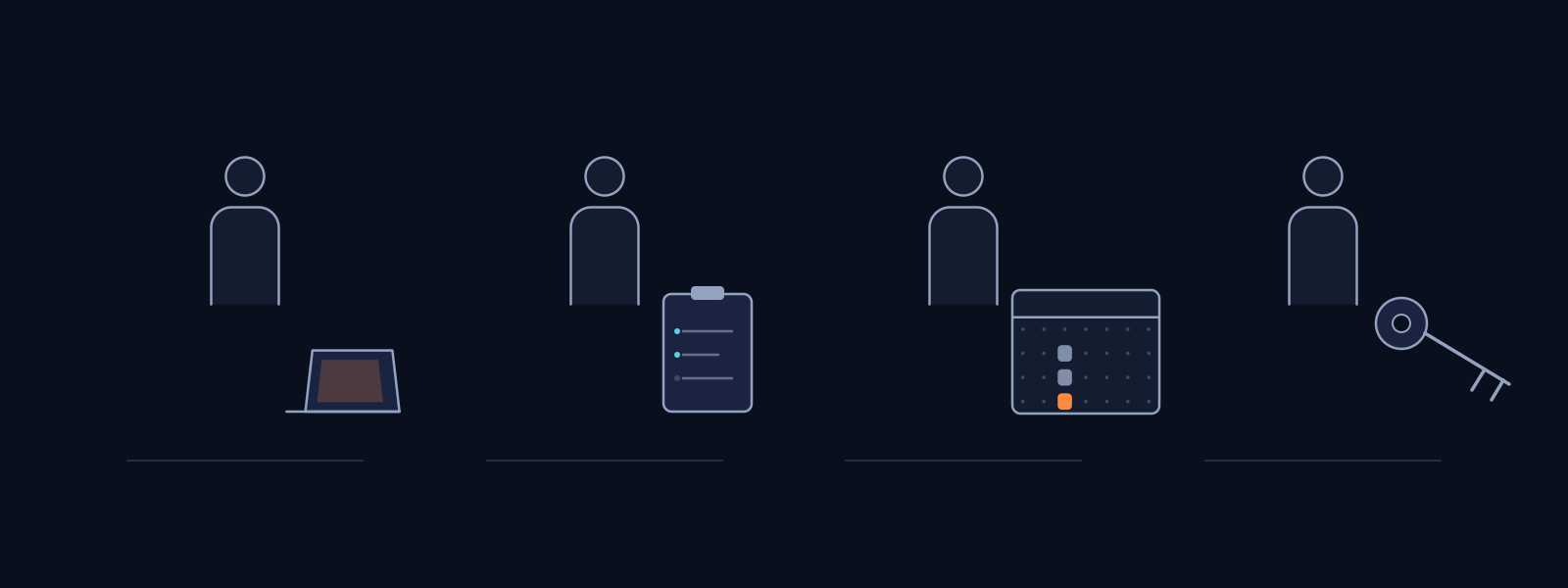
The stage manager's headset and clicker. Everything a first-time organizer would otherwise improvise — schedule, sign-ups, team forming, rubric, scores, winners, certificates — already in the box, so they spend the evening in the room instead of on the phone.
The unit we care about is the series, not the event. Clone last time, change the dates, keep the archive. A club that has run six evenings has something a single large conference never builds.
A club lead, a teacher, a community manager with a pizza budget and the key to the room. Their fear is that the evening dissolves with nothing to show. They get the chronicle: a series, a recap with projects and faces, a wall of posters that grows. They are the second buyer — of the costume only, never of the room or the people in it.
A creation wizard with drafts and autosave, presets and an AI first draft, timeline stages, tracks, custom registration questions, FAQ and guide steps, sponsors, speakers, invite links, a share page with an OG image and a calendar file. Clone a past event to start the next one.
Team creation, declared roles, an open table of who is still looking for people and who is still looking for a team, and a kanban board per team so a night of work has a shape.
Weighted criteria you write in advance, judges invited by link with a consent screen for their name, a scoring panel with a sentence box under every project, and a leaderboard that shows the judges' score next to the room's vote.
A page per project with demo, repo, video and screenshots; a deadline that freezes the form instead of refusing it; a public gallery per event; a cross-event showcase that keeps working after the event closes; an OG card for every page.
A page per person: what they shipped, at which evenings, with whom. A card to share. Certificates for participants, generated rather than designed by hand at midnight.
A REST API with a published OpenAPI schema, an MCP server behind OAuth 2.1 so an assistant can run an event as you, an installable PWA, organizer analytics, and 6 interface languages.


// scroll sideways for more screens
Return of the room: the share of evenings followed, within 90 days, by another evening of the same series.
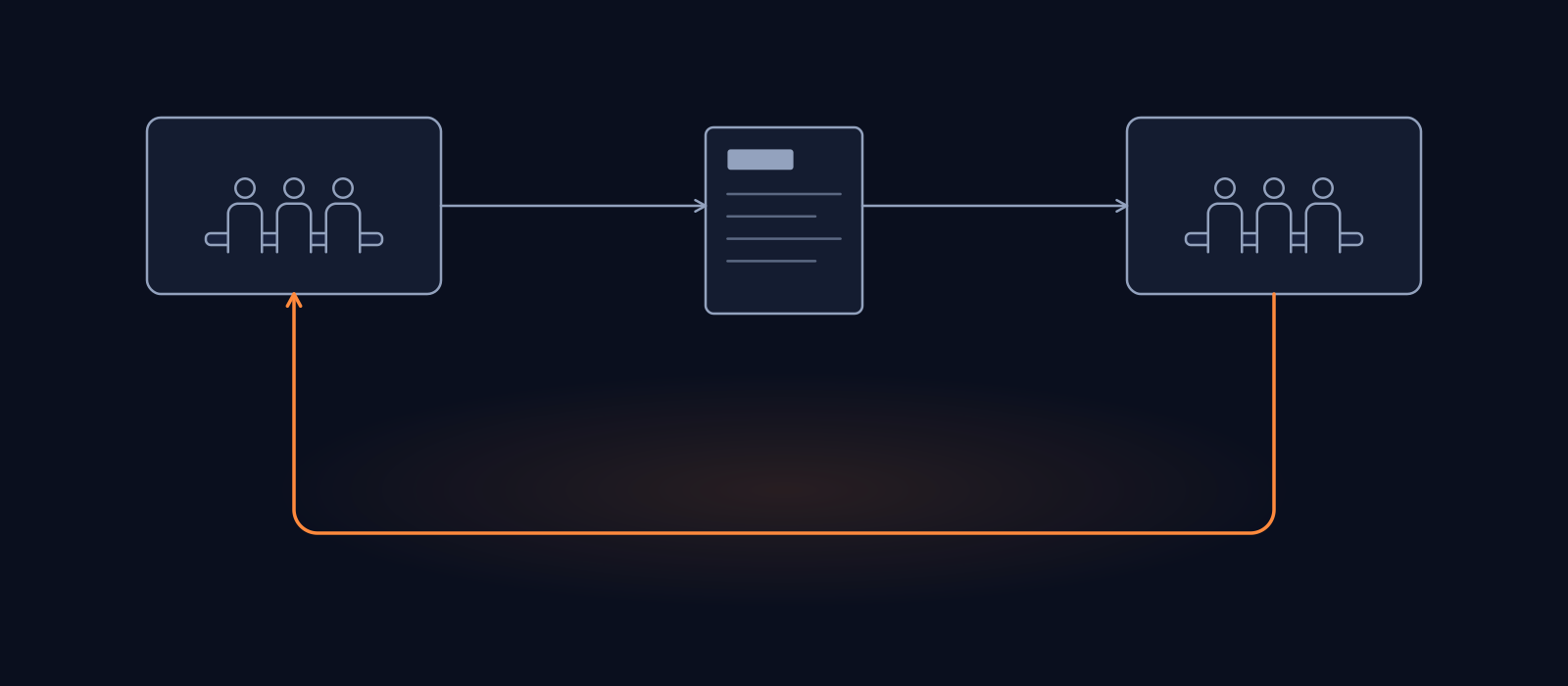
We steer by that number and not by sign-ups, because a hackathon platform can look healthy while every room it hosted met once and dissolved. Our target is at least half. It cannot be gamed with one huge event — only with rooms that wanted to gather again. Underneath it sit six smaller truths that decide whether a room comes back:
These are not values on a wall. A proposed feature that fails one of them does not get built, however popular it would be.